The fitness world is full of buzzwords, but few concepts are as genuinely beneficial as functional workouts. Unlike traditional training that focuses solely on aesthetics or isolated strength, functional training emphasizes exercises that improve your ability to perform real-life activities with ease and efficiency. It’s about training your body to move better, reducing the risk of injury, and building strength that translates directly into everyday life.
In this guide, we’ll break down what is a functional workout, why they matter, and how you can incorporate them into your fitness routine. We’ll also provide some sample workouts to get you started.
What is a Functional Workout?
A functional workout is a form of training that focuses on improving movement patterns and building strength for tasks you encounter in daily life. Instead of isolating individual muscles, functional training works multiple muscle groups simultaneously, mimicking natural, compound movements. These exercises enhance balance, coordination, strength, and mobility.
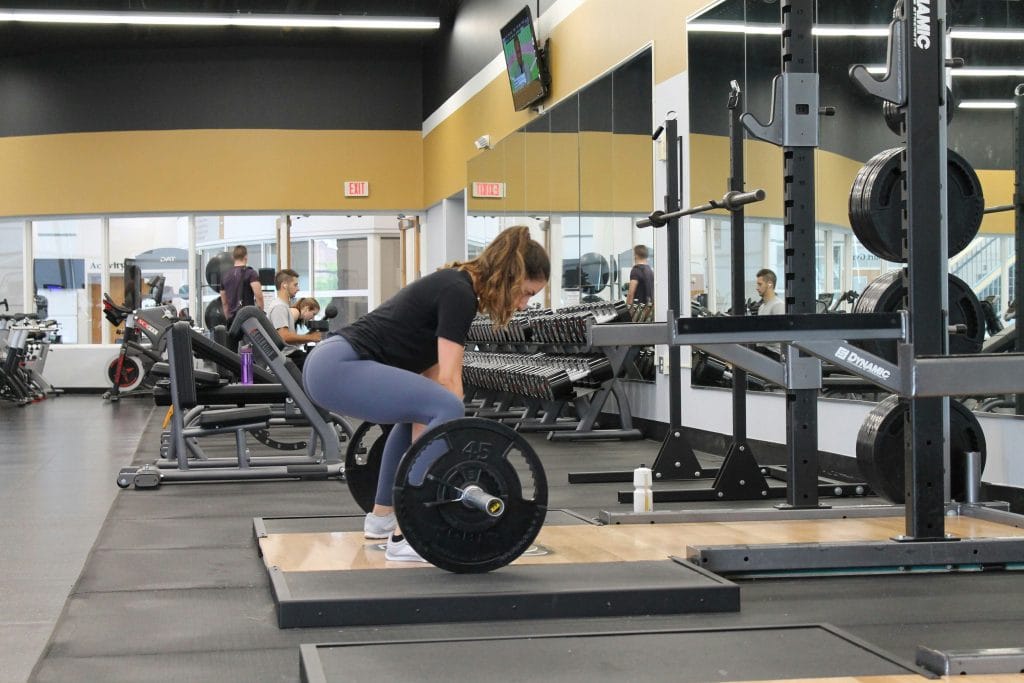
For example, a deadlift is a functional exercise because it simulates picking something heavy off the ground—something you might do regularly in real life. Similarly, squats mimic the movement of sitting and standing, while lunges replicate walking or climbing stairs. Functional workouts are especially beneficial for athletes, busy parents, office workers, and anyone looking to improve overall movement quality.
Why Functional Workouts Matter
Functional workouts go beyond aesthetics. While they can certainly help you build muscle and burn fat, their primary goal is to make you stronger and more capable in real-world situations. Here’s why functional training is important:
1. Improved Everyday Performance
Functional exercises improve your strength, balance, and coordination, making everyday activities easier and more efficient. Tasks like lifting groceries, climbing stairs, or playing with your kids become less taxing when you train the body for practical movements.
2. Injury Prevention
Many injuries happen because the body isn’t prepared for the demands of everyday movement. Functional workouts strengthen stabilizer muscles, enhance joint mobility, and improve core strength, reducing the risk of common injuries.
Studies show that functional training can significantly reduce the incidence of falls and injuries, especially in older adults (Granacher et al., 2013).
3. Increased Mobility and Flexibility
Functional exercises often combine strength, mobility, and flexibility in one movement. This combination helps prevent stiffness and allows you to move with greater ease and freedom.
4. Boosted Core Strength
Functional training heavily emphasizes core engagement because your core is crucial for almost every movement you make. A strong core supports your spine, improves posture, and helps prevent back pain.
What Makes an Exercise Functional?
Not all exercises are functional. To qualify as functional, an exercise should meet the following criteria:
- Multijoint and Multiplanar: Functional exercises engage multiple joints and move through different planes of motion (sagittal, frontal, and transverse). For example, lunges with a twist target multiple muscle groups and improve rotational strength.
- Mimics Real-Life Movements: Functional exercises resemble movements you perform in daily life. Movements like squatting, bending, twisting, and pushing all fall into this category.
- Focuses on Core Stability and Balance: Functional training often incorporates instability or balance elements, such as using a stability ball or single-leg exercises.
Examples of functional exercises include squats, deadlifts, lunges, push-ups, kettlebell swings, and medicine ball throws.
Sample Functional Workout
Here’s a simple full-body functional workout you can try. This routine is designed to improve strength, mobility, and balance while mimicking real-world movements.
Warm-Up (5–10 minutes)
Start with dynamic stretches to activate your muscles and increase blood flow. Include movements like:
- Leg swings
- Arm circles
- Walking lunges
- High knees
Workout (3 Rounds)
- Goblet Squats (12 reps)
- Hold a kettlebell or dumbbell at chest level.
- Lower into a squat, keeping your chest up and core engaged.
- Push through your heels to return to standing.
- Single-Leg Deadlifts (10 reps per leg)
- Stand on one leg and hold a dumbbell in the opposite hand.
- Hinge at the hips, lowering the dumbbell toward the ground while keeping your back straight.
- Return to the starting position, focusing on balance and control.
- Push-Ups with Rotation (10 reps per side)
- Perform a push-up, then rotate into a side plank, lifting one arm toward the ceiling.
- Return to the starting position and repeat on the other side.
- Kettlebell Swings (15 reps)
- Use a kettlebell and swing it from between your legs to chest height, using the power from your hips.
- Keep your back straight and avoid using your arms to lift the kettlebell.
- Medicine Ball Slams (12 reps)
- Lift a medicine ball overhead and slam it forcefully onto the ground.
- Squat to pick it up and repeat.
Cool Down (5–10 minutes)
End with static stretches, focusing on the major muscle groups used in the workout. Include stretches for your hamstrings, quads, hip flexors, and shoulders.
How to Incorporate Functional Workouts Into Your Routine
The beauty of functional training is its versatility. You can do functional workouts on their own or integrate functional exercises into your existing strength and cardio routines. Everybody should include at least 1 functional workout in their weekly routines to maximise their fitness and body movement capabilities.
- Beginner: Start with two functional workouts per week, focusing on form and mastering basic movements.
- Intermediate: Increase to three or four functional sessions per week, incorporating more challenging exercises and higher intensity.
- Advanced: Combine functional training with sport-specific exercises to enhance performance.
Functional workouts can also be tailored to different fitness goals. For fat loss, you can turn it into a high-intensity circuit. If your goal is strength, slow the tempo and focus on heavier weights.
Final Thoughts
A functional workout is more than just a trendy fitness term—it’s a practical approach to training that builds strength, mobility, and resilience for everyday life. By focusing on compound movements that mimic real-world tasks, functional workouts help you move better, reduce injury risk, and improve overall performance.
Whether you’re a beginner or a seasoned athlete, incorporating functional exercises into your routine is a smart way to stay strong, agile, and injury-free. Start small, be consistent, and watch how it transforms not just your fitness but your quality of life.
References: